


What functions do piston rings have in automobiles?
16.01.2026
Piston rings are the core components inside the fuel engine and work together with the cylinder, piston, and cylinder wall to ensure the sealing of the fuel. The functions of the piston ring include sealing, oil regulation, heat conduction, and support, among others.
Main functions of the piston ring:
Sealing: The piston ring can effectively prevent high-temperature and high-pressure gases from entering the crankcase from the combustion chamber, ensuring the efficiency of the compression and power strokes.
Oil regulation: The piston ring controls the flow of lubricating oil to ensure that the correct amount of oil film covers the cylinder wall, reducing friction and preventing excess oil from entering the combustion chamber.
Heat conduction: The piston ring conducts heat from the piston to the cylinder wall and dissipates the heat through the cooling system to prevent the piston from overheating.
Support: The piston ring secures the piston in the cylinder, prevents direct contact between the piston and the cylinder wall, ensures smooth movement of the piston, reduces frictional resistance, and prevents the piston from knocking against the cylinder.
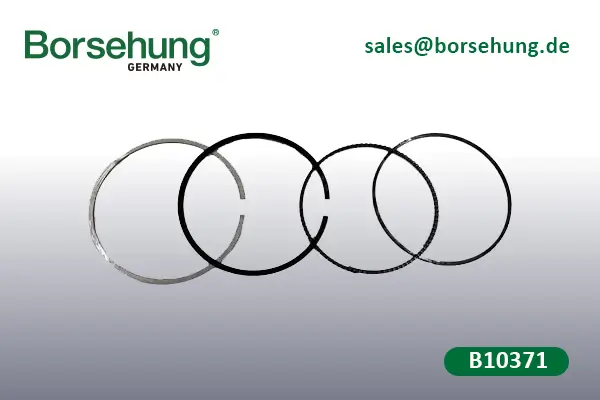
Common piston ring failures:
Reduced performance: Excessive wear of the piston rings can lead to a loss of power.
Increased consumption: Failure of the piston rings causes oil to enter the combustion chamber, leading to increased fuel consumption.
Exhaust smoke: Abnormal smoke (e.g., blue smoke) may indicate worn or damaged piston rings.
Piston ring maintenance recommendations:
Regularly check cylinder pressure and oil consumption.
When replacing piston rings, simultaneously check the wear of the cylinder walls and, if necessary, rebore or replace the cylinder liner.

